
As I plan my first upholstery project—an Edwardian settee—I found myself wondering whether I should restore it as faithfully as possible using traditional upholstery techniques or take advantage of the comfort and convenience offered by modern materials. There seemed to be good arguments for both approaches. On one hand I loved the idea of replicating the techniques they would have used on the original piece. On the other I am a complete beginner and this is going to be a big enough challenge as it is!
However, that dilemma did send me down a rabbit hole into the world of upholstery, and it got me thinking about the advantages and drawbacks of traditional versus modern restoration methods.
The Foundation: Webbing
Like most traditionally upholstered furniture, Edwardian settees were built from the frame upwards. One of the first layers applied to the wooden frame was jute webbing.
Strong woven strips were stretched tightly across the seat frame and secured with upholstery tacks. The webbing formed the foundation of the seat and provided support for all the layers that followed.
It appears that it is not unusual to find original webbing intact decades later!
Hand-Tied Springs
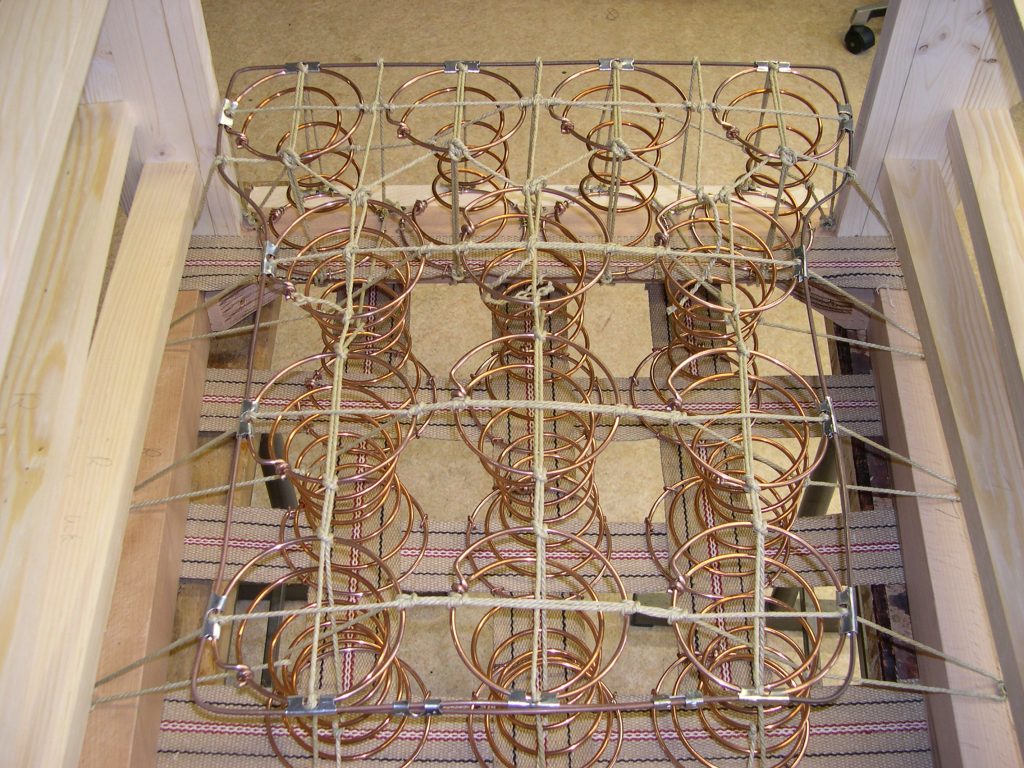
On top of the webbing sat the coil springs, which were attached and then hand-tied using twine.
This is one of the most recognised skills in traditional upholstery. Each spring was tied to neighbouring springs in multiple directions, helping distribute weight evenly across the seat.
The result was a supportive yet comfortable seat that could withstand years of daily use.
Hessian and Stitching Techniques
Once the springs were secured, they were covered with hessian—a rough, natural woven fabric.
This layer gave the upholsterer a practical surface to work on and helped hold in all the stuffing that would be added later.
One of the standout things about Edwardian upholstery is just how much of it was done by hand. Edge rolls, padding, and the shaping of the seat were all built up with stitching rather than pre-made parts.
You never actually see these stitches in the finished piece, but they’re a big part of what gives Edwardian furniture its clean lines and refined, elegant shape.
Horsehair: The Traditional Stuffing Material
Probably the material most strongly linked with traditional upholstery is horsehair.
Even though the name suggests otherwise, upholstery horsehair isn’t soft like human hair at all. It’s springy, tough, and incredibly long-lasting. It can be compressed and shaped, but it still springs back and holds its form over time.
It was commonly used in seats, arms, and backs, helping furniture keep its shape for decades. One of the reasons restorers still value it today is that it can often be cleaned, sterilised, and reused even after many years inside a piece of furniture.
Cotton and natural wadding
To make things feel a bit softer, layers of cotton felt and wadding were usually added over the horsehair.
These helped even out the surface and made the final upholstered piece more comfortable under the outer fabric. Unlike modern synthetic fillings, these natural fibres were breathable and worked together with the horsehair to create a seat that felt firm but still comfortable.
Traditional Fabric Choices
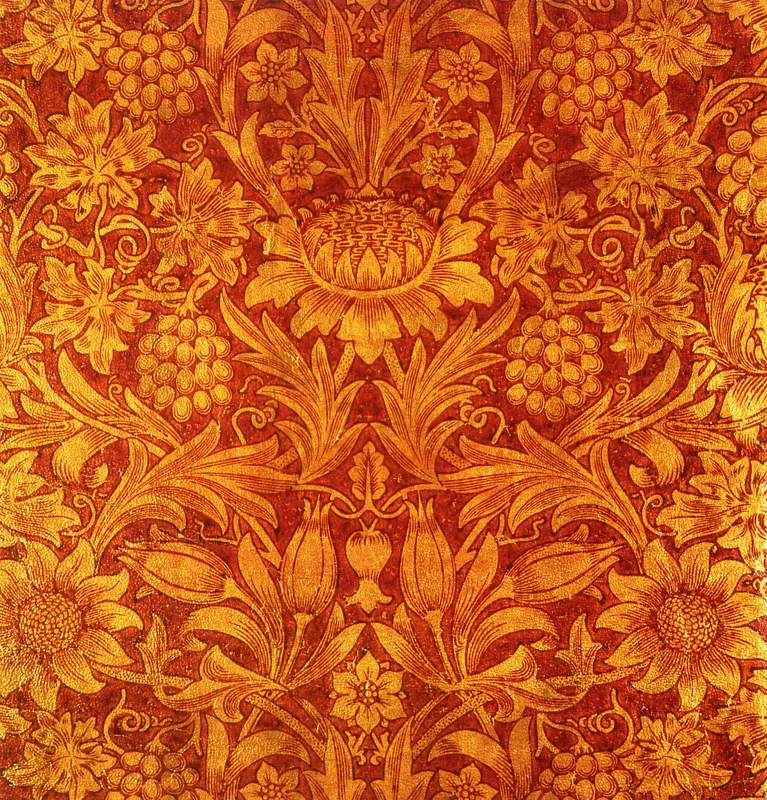
Edwardian interiors were lighter and less ornate than Victorian ones, and the fabrics reflected that shift. Common choices included damasks, jacquards, velvets, brocades, and floral or striped weaves.
Colours tended to be soft and muted—greens, golds, creams, blues, and gentle florals—though this varied depending on the home and how the furniture was used. A lot of Edwardian settees paired these fabrics with polished exposed wood, striking a balance between decoration and simplicity.
Traditional vs Modern Upholstery
Upholstery methods have evolved over generations, and both traditional and modern approaches have their place.
Traditional restoration is valued for its authenticity, craftsmanship, and longevity. It preserves the original character of the piece, but it can be time-consuming, costly, and materials aren’t always easy to source. It also tends to feel firmer than what many people expect today.
Modern upholstery, on the other hand, is usually more affordable and quicker to complete. It often offers greater comfort, more fabric options, and easier maintenance. However, it can sometimes change the original look and feel of older furniture, and lower-quality materials may not last as long.
In practice, many restorers use a mix of both—keeping traditional structure like springs and stitching, while adding modern cushioning for comfort.
WQ Team
Leave a Reply